Renewable Energy Firms Diversify Operations: A Strategic Shift for a Sustainable Future

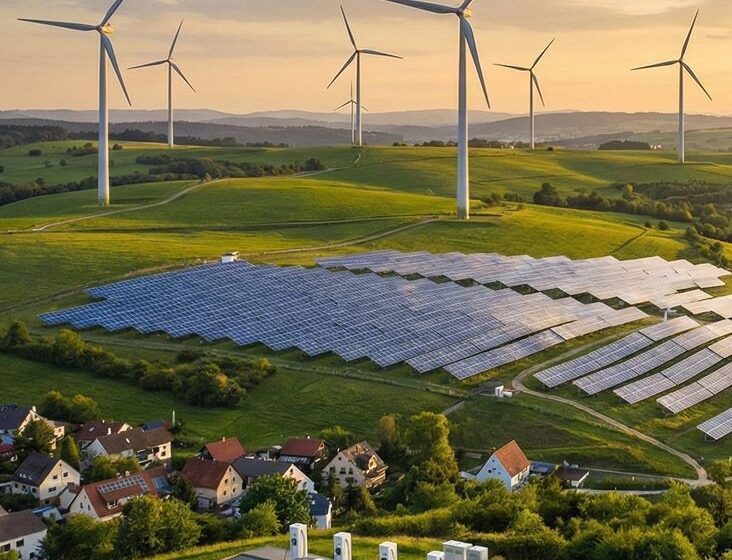
The global energy landscape is undergoing one of the most transformative shifts in history. Renewable energy—once considered a niche or supplementary source of power—has now emerged as a central pillar of the global energy system. With growing concerns over climate change, energy security, and economic sustainability, renewable energy firms are no longer limiting themselves to traditional segments like solar or wind power. Instead, they are diversifying their operations across multiple domains, including energy storage, hydrogen, electric mobility, digital energy services, and integrated power solutions.
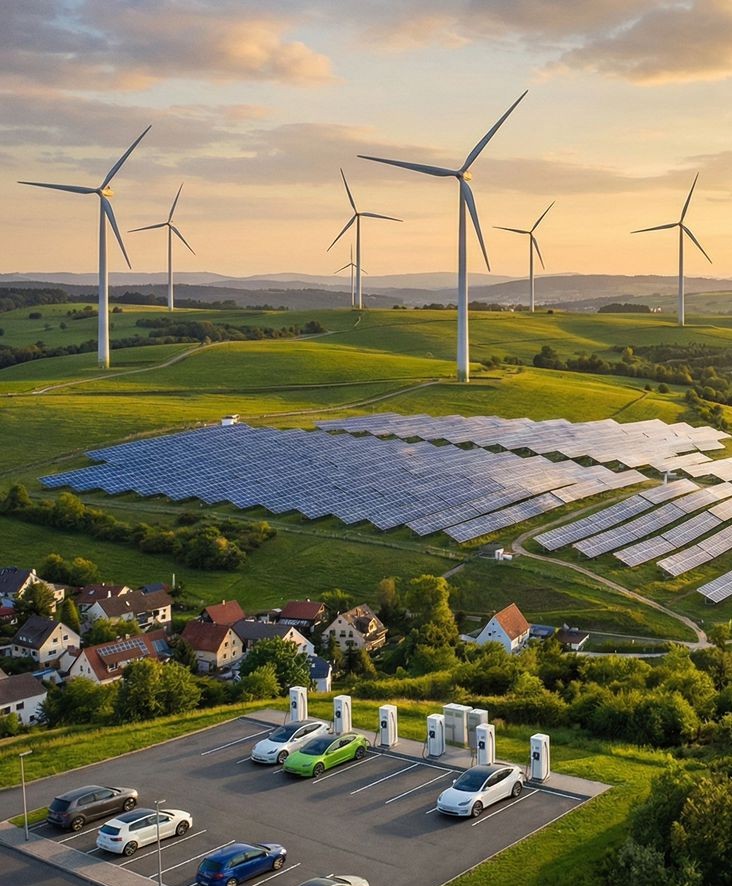
This diversification is not just a trend—it is a strategic necessity. Renewable energy firms are evolving into integrated energy companies capable of delivering comprehensive solutions across the value chain. This blog explores why diversification is happening, how companies are implementing it, and what it means for the future of the energy sector.
The Rise of Renewable Energy
Over the past decade, renewable energy has witnessed exponential growth. Solar, wind, hydro, and bioenergy technologies have become more efficient and cost-effective, making them competitive with fossil fuels. According to industry estimates, renewable sources already account for over 30% of global electricity generation and are expected to surpass coal as the dominant energy source.
This rapid expansion has created both opportunities and challenges. While demand is increasing, competition is intensifying. Margins in traditional renewable segments are shrinking, forcing companies to explore new revenue streams and innovative business models.
Why Renewable Energy Firms Are Diversifying
1. Market Saturation and Competition
The solar and wind markets have become highly competitive. As more players enter the market, prices fall, and profit margins decline. Diversification helps companies maintain profitability by tapping into new sectors
2. Energy Transition Pressures
The global push toward decarbonization is reshaping the energy industry. Governments, investors, and consumers are demanding cleaner and more sustainable energy solutions. This has led companies to expand beyond power generation into areas like carbon capture, hydrogen, and energy efficiency.
3. Need for Energy Security
Recent geopolitical tensions and disruptions in oil supply have highlighted the importance of energy security. Countries are investing in diverse energy sources, including renewables, to reduce dependence on fossil fuels.
4. Technological Advancements
Innovations such as advanced batteries, smart grids, and green hydrogen are opening new opportunities for renewable energy firms. These technologies enable companies to offer integrated energy solutions rather than just electricity generation.
5. Investor Expectations
Investors are increasingly focusing on ESG (Environmental, Social, Governance) criteria. Diversified renewable energy companies are seen as more resilient and attractive investments, as they can adapt to changing market conditions.
Key Areas of Diversification
Renewable energy firms are expanding into multiple areas to strengthen their market position.
1. Energy Storage
One of the biggest challenges of renewable energy is intermittency—solar and wind power are not available all the time. Energy storage systems, such as batteries, help address this issue by storing excess energy for later use.
The global energy storage market is growing rapidly, driven by declining costs and technological advancements.
2. Green Hydrogen
Green hydrogen is emerging as a key solution for decarbonizing industries that are difficult to electrify, such as steel, chemicals, and heavy transport.
Produced using renewable energy, green hydrogen offers a zero-carbon alternative to fossil fuels. Investments in hydrogen projects have increased significantly in recent years, making it a major area of diversification.
3. Electric Mobility and EV Charging
The rise of electric vehicles (EVs) has created new opportunities for renewable energy companies. Many firms are entering the EV charging infrastructure market to support the transition to electric mobility.
4. Digital Energy Services
Digitalization is transforming the energy sector. Renewable energy firms are leveraging technologies such as AI, IoT, and data analytics to optimize operations and improve efficiency.
6. Carbon Capture and Sustainability Services
Some renewable firms are entering carbon capture and sustainability consulting to help industries reduce emissions. This aligns with global climate goals and creates additional revenue streams.